Personal protective equipment detection
Video analysis checks for hard hats, safety vests, harnesses, and other PPE, even at sites with many workers.
CORVIS CV · Computer-vision safety monitoring
AI analyzes site video to monitor PPE use, restricted-area access, and unsafe behavior.
CHALLENGE
Many workers move across multiple camera feeds while safety managers handle far more than video monitoring.
It is difficult to check whether all workers are wearing protective equipment such as hard hats and safety vests.
Workers can approach hazardous areas before anyone notices.
Hazardous postures and behaviors are difficult to monitor continuously.
It is difficult to monitor multiple camera feeds at the same time.
Too often, footage is reviewed only after an incident occurs.
HOW IT WORKS
CORVIS CV uses computer vision to analyze people, safety equipment, hazardous zones, and abnormal situations in worksite video.
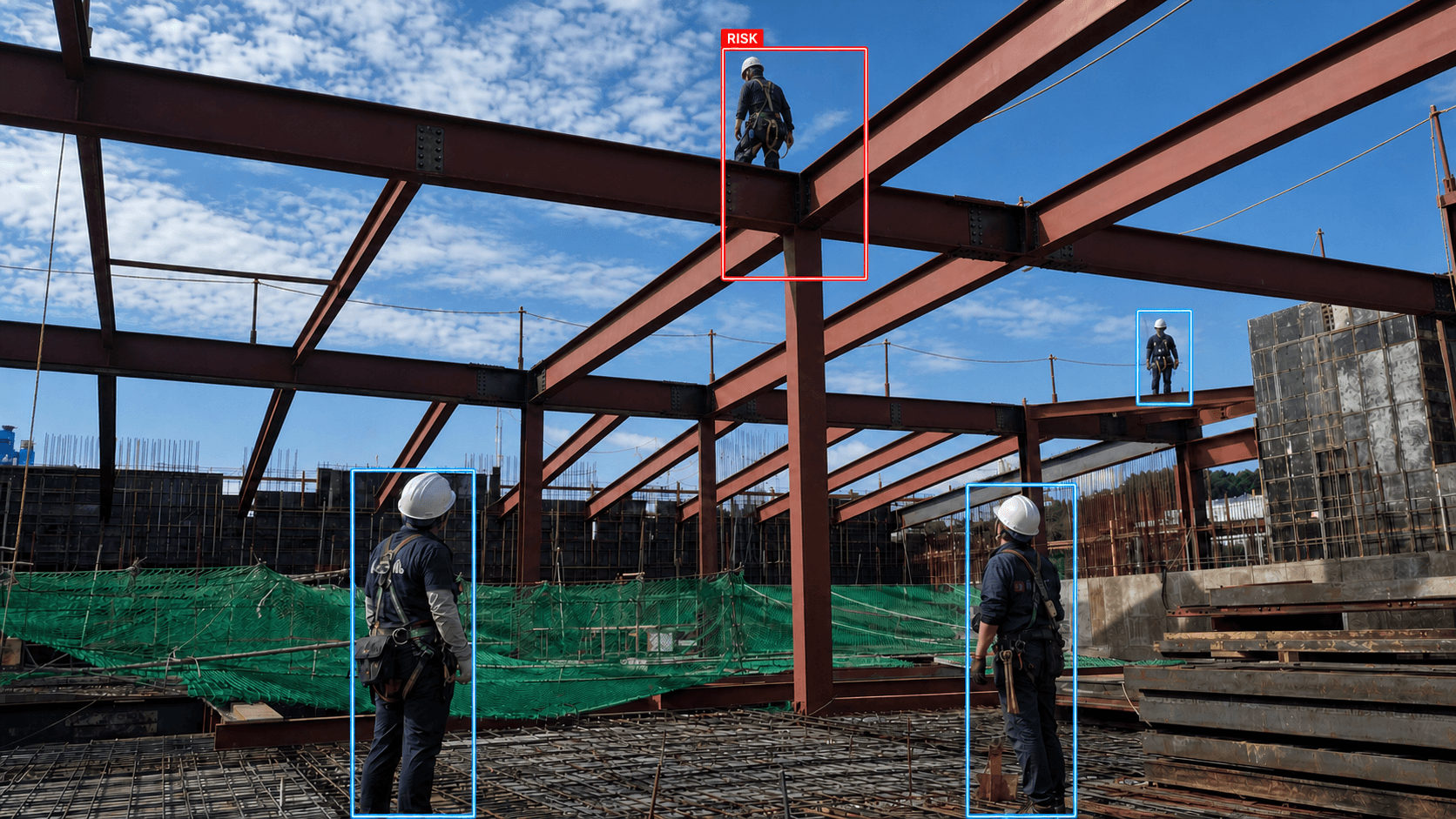
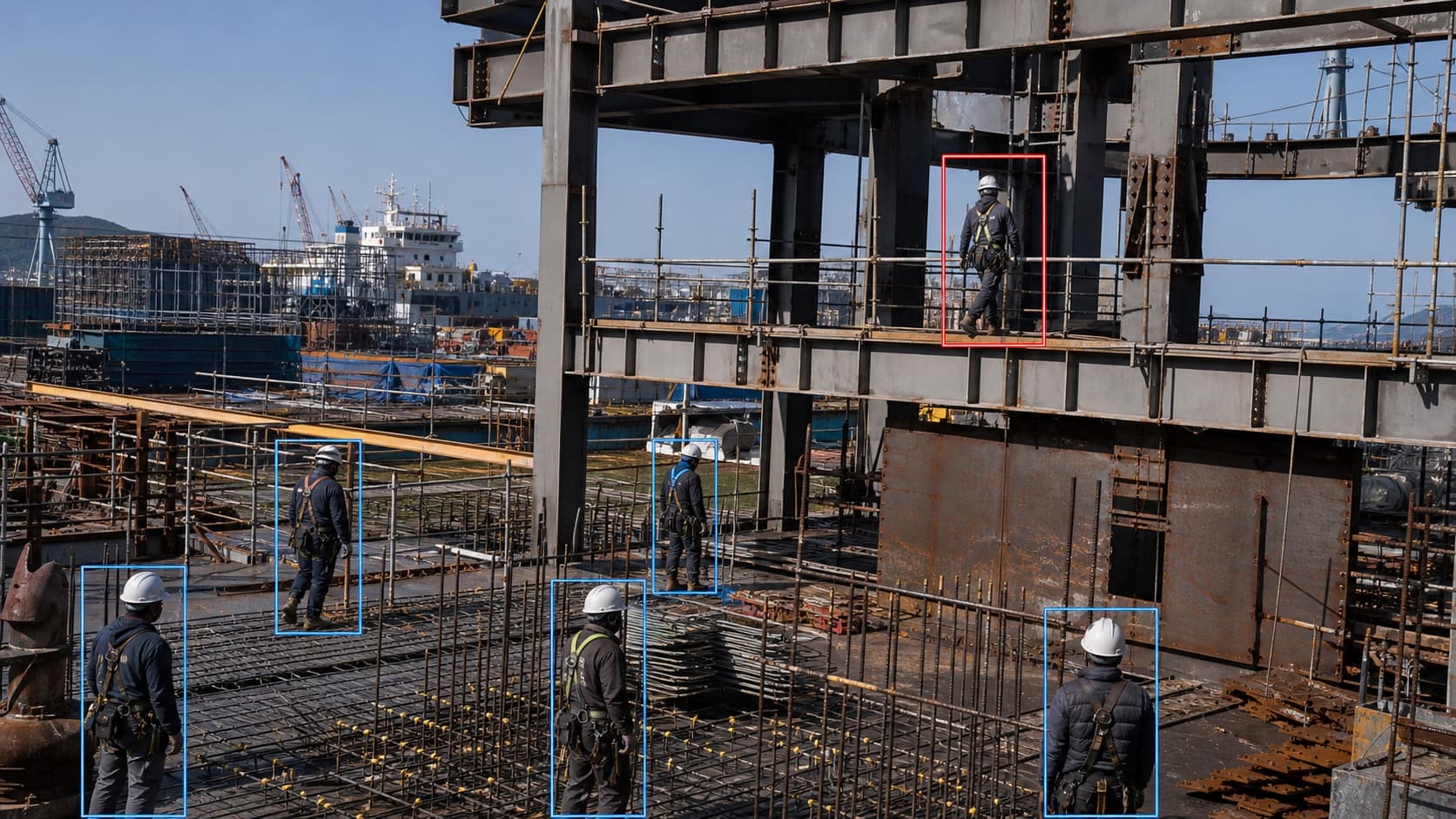 Worker detectionSafety-harness detectionWork-at-height risk detection
Video analysis checks for hard hats, safety vests, harnesses, and other PPE, even at sites with many workers.
Detects workers approaching or entering predefined hazardous zones, including heavy-equipment operating areas and falling-object zones.
Analyzes body position and movement to detect falls, collapse, and work inside hazardous zones.
Detects unusual situations such as a worker collapsing or remaining motionless, helping teams identify events that require an on-site response earlier.
When CORVIS CV detects missing PPE, hazardous-area access, unsafe behavior, or an abnormal event, it alerts the safety manager with the time, camera location, and risk type.
Manage safety events by time, location, and risk type, and review safety status by site and period on the dashboard.
WHERE IT FITS
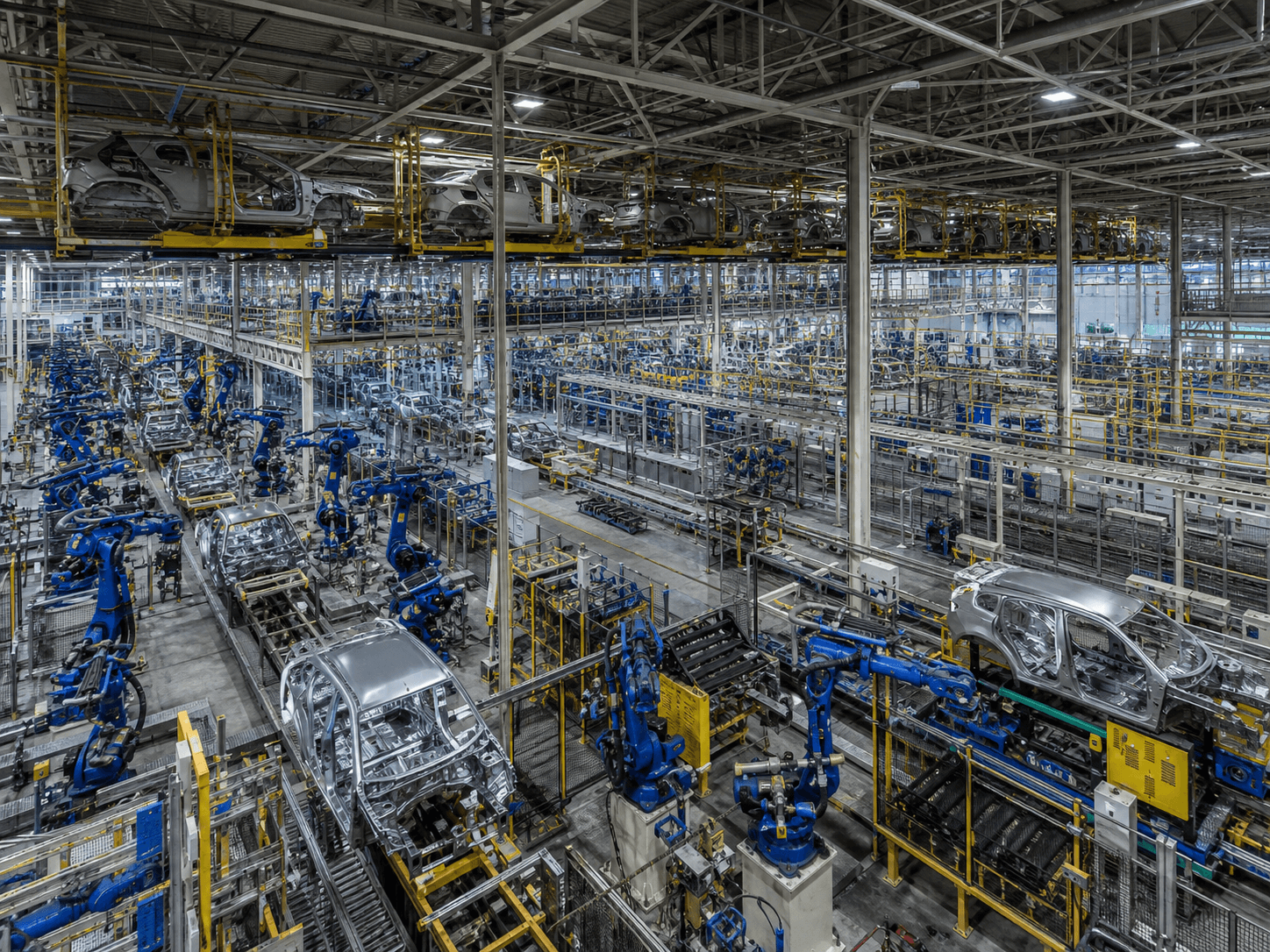
The risks that require video monitoring differ across construction, manufacturing, shipbuilding, and plant sites.

Expected benefits
Expected benefits

Expected benefits
Expected benefits
WHAT CHANGES
CCTV feeds once checked one by one,now screened first by AI.